
Creating Community Engagement That Didn't Feel Transactional
A client story from the Minnesota Department of Health
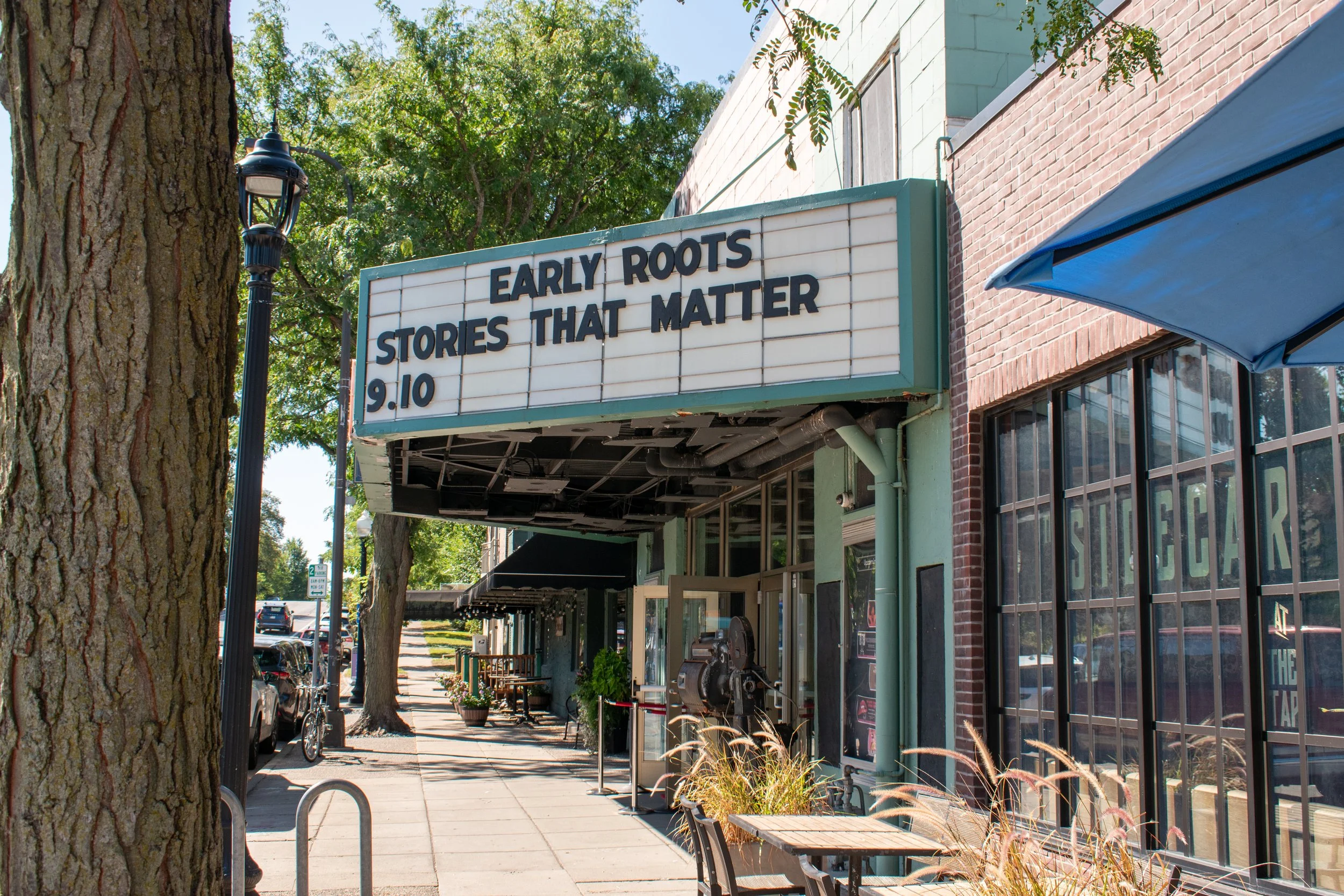
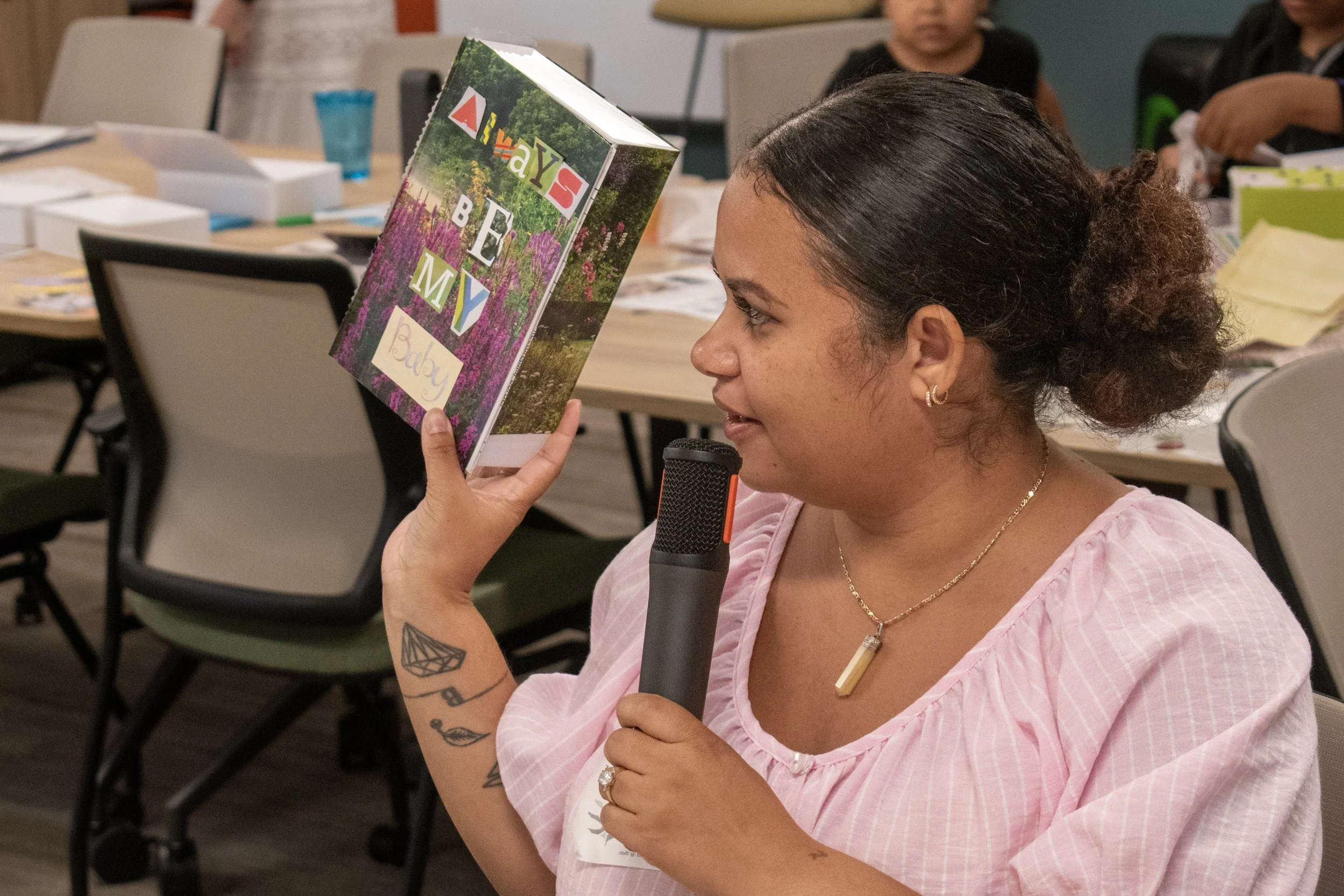
A relationship-first approach to community learning, storytelling and celebration.
When We Knew We Wanted Something Different
When we began Early Roots, we knew we did not want to create another state-led initiative where community partners were invited into a room, asked for information or stories, and then sent home.
Through Minnesota's Preschool Development Grant, we had an opportunity to bring together practitioners and community partners working closely with young children and families. We wanted people to learn from one another, strengthen relationships, reflect on what they were seeing in their work, and help us better understand the experiences of families and communities. We also wanted to create meaningful ways to share stories about that work.
We knew what we wanted the project to feel like: relational, useful, creative, respectful, and worth people's time. What we did not yet have was a clear way to turn that intention into a six-month project with virtual learning, in-person gatherings, family participation, storytelling and video production, grant requirements, logistics, and tangible final products.
That was the problem Freya + Co helped us solve.
“We knew we wanted this to feel different from other state-community projects. We didn't want to just ask community partners for something. We wanted to create something with them and make sure they got something meaningful from being part of it.”
Isabella R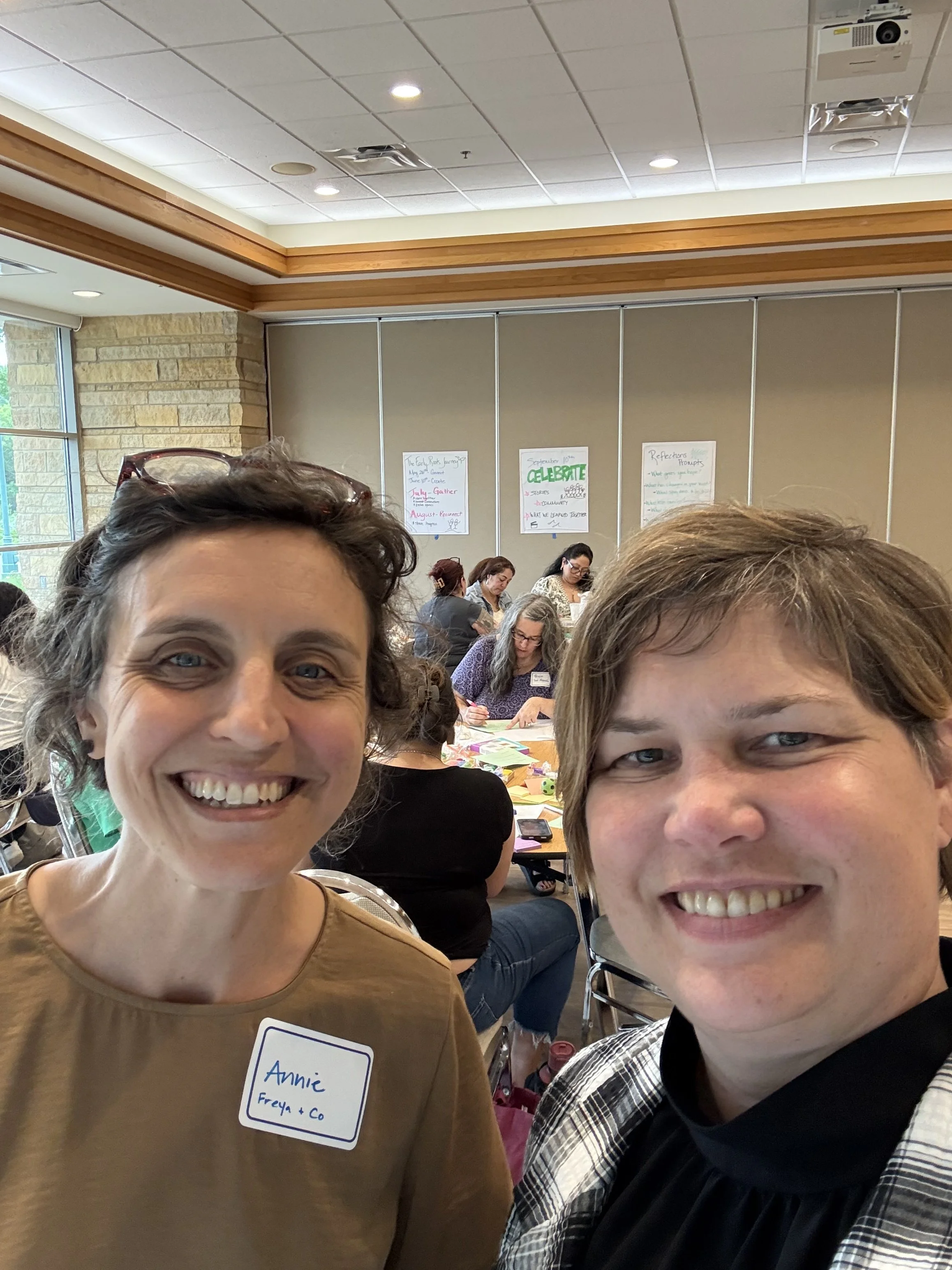
“Freya brought enough structure to keep a complicated project moving, but they never let the structure become more important than the people. They kept bringing us back to our original goals and intentions, which helped us stay on track. They were constantly paying attention to what we were learning and helping us adjust.” -Isabella Rolland
From a Broad Project Idea to a Coherent Experience
Freya + Co helped us create enough structure to move the work forward without letting the structure become more important than the people.
Liz and Annie worked alongside our MDH team, community partners, advisors, and Blackbird Revolt to turn the grant requirements into a connected experience. We began by listening: What were practitioners and families experiencing in their communities? What did they need to make the early childhood system better? What would make time together valuable? What might storytelling look like if it were not simply another request for people to share something with the state?
From there, Freya helped us build an arc across the project rather than treating each convening as an isolated event: listen and design, connect, gather, create and tell stories, reflect, celebrate, and carry the learning forward.
That approach meant that what happened in one gathering affected what happened next. We reviewed what participants had already told us, reflected themes back to them, and asked what resonated, what was missing, and what needed more nuance. We tried not to make people start over each time we came together.
Freya also helped us manage the practical complexity behind the experience — coordination, agendas, facilitation, event logistics, storytelling production, roles, decisions, follow-up, and the many small details that had to line up for the larger idea to work.
Storytelling Became a Relationship, Not a Transaction
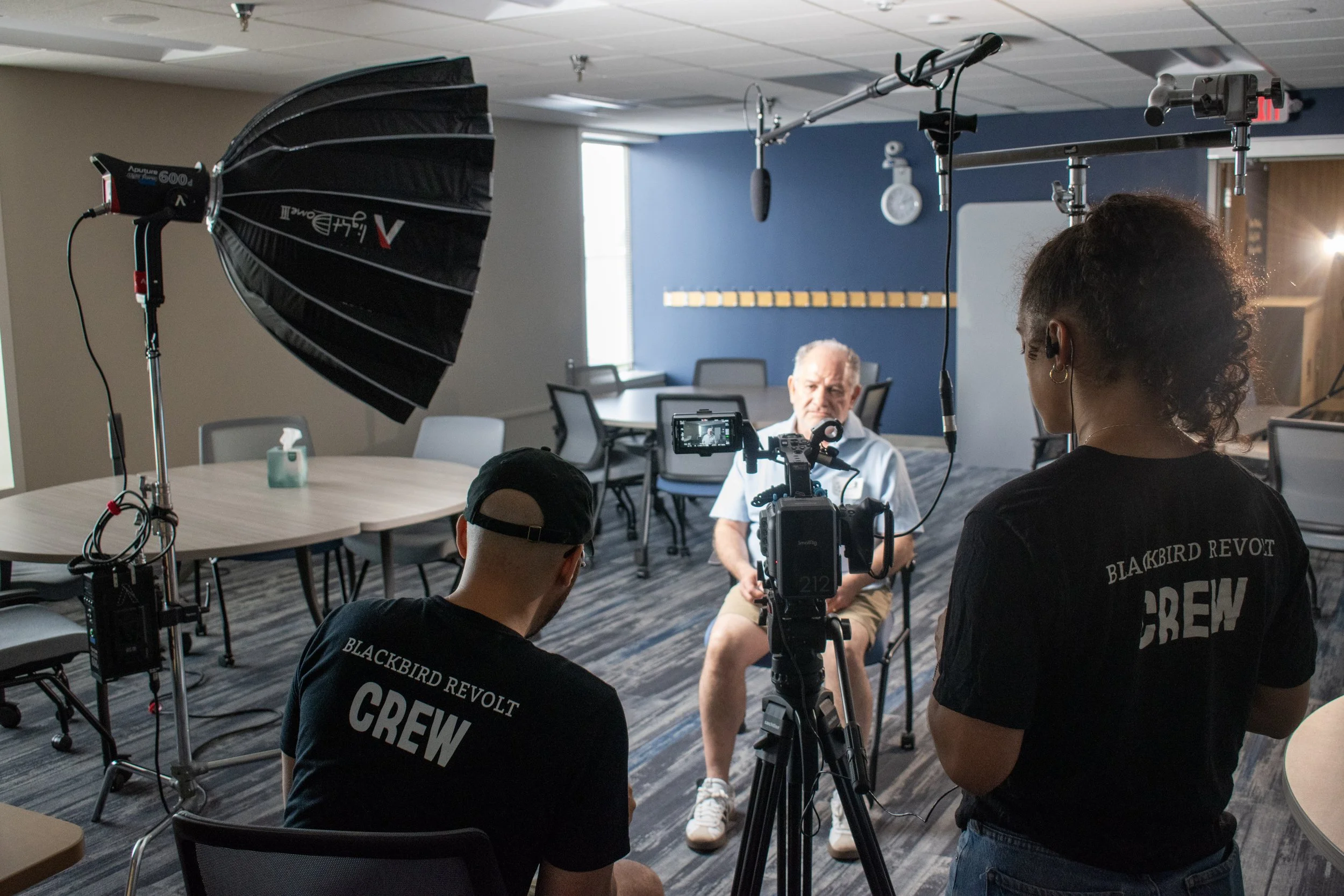
Storytelling was one of the most important places where the relationship-first approach became concrete.
We originally had a clear production requirement: the project needed to result in storytelling products. But Early Roots helped us see that a production goal could not be allowed to drive the human process.
Blackbird Revolt joined the project early enough to be present with participants before formal filming. Jordon Moses, Co-Founder, Director & Producer, could listen, participate, and become a familiar person rather than appearing only when it was time to turn on a camera. People could explore possible stories before deciding whether they wanted to be filmed. Community partners could make warm introductions. Participants had multiple ways to express themselves, and being part of Early Roots did not require becoming a public storyteller.
We learned that a compelling experience does not automatically mean someone is ready to tell that experience publicly. Relationship, timing, trust, choice, and the ability to imagine what a story might become all matter.
The result was a more human storytelling process. The videos and other creative products mattered, but so did the way people were invited into creating them.
Freya felt like part of the team.
Another important part of the experience was the way Freya worked with us.
This was not a consulting engagement where we handed off an assignment, waited for a finished product, and received a presentation at the end. Liz and Annie became part of the working team.
We planned together. We wrestled with questions together. When something was not working, we changed it. When participants or community partners told us something mattered, we tried to carry that learning forward. Freya could help us hold the overall purpose while also attending to the operational details that made the work possible.
The project also benefited from different kinds of expertise working together. MDH brought program knowledge, relationships, and responsibility to the communities we serve. Freya brought facilitation, project design, coordination, and the ability to translate a broad intention into an actionable process. Advisors brought community and early childhood perspectives. Blackbird Revolt brought creative storytelling expertise.
That combination allowed the project to evolve without losing its direction.
“Liz and Annie didn't feel like outside consultants. They became part of our team. They could hold the big picture and also make sure the hundred little things required to bring that picture to life actually happened.” - Isabella R.
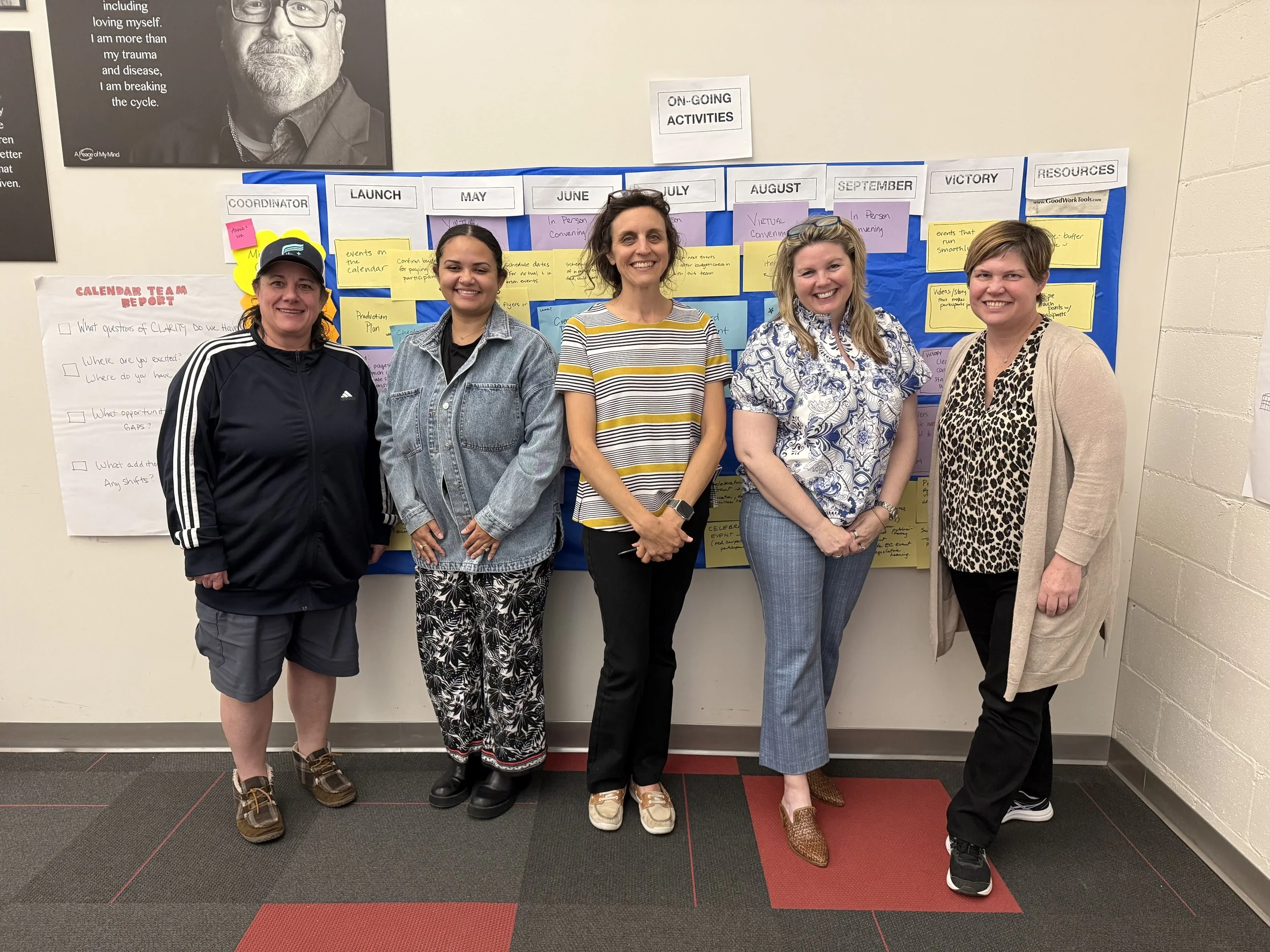
“Freya helped make space in our schedules and timeline so we could slow down enough to build relationships before asking people to tell their stories. That sounds simple, but it helped make the work less transactional and extractive, and more of a co-created project. Storytelling became something people could explore and choose, rather than something we were trying to get from them.”
Bella R“What stood out to me was how intentional we became about the experience we were creating for people. We weren't just asking, ‘What information do we need from this meeting?’ We were asking, ‘How do we want people to feel when they leave?’ That changed how we thought about everything from the agenda to the food to the way we welcomed people into the room.”
Michele K“From the beginning, I really wanted us to do something special to recognize the providers and families involved in this work. So much of what they do goes under the radar, and I thought they deserved a chance to be celebrated in a bigger way. That's where the idea of a red-carpet event came from. I wanted people to feel appreciated and proud of the work they do, and to have a chance to see how their stories and experiences were part of something bigger.”
Kristen T